



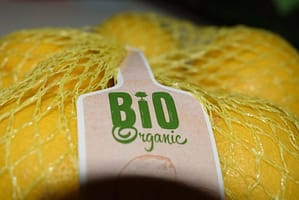
Bipartisan legislation cosponsored on June 24 by U.S. Rep. Zach Nunn (R-IA) would help ensure that organic food labels are accurate in an effort to help cut down on bogus imports.
Current law lets imported feedstuffs enter the U.S. based solely on foreign-issued certifications that lack the routine residue testing that helps verify compliance with U.S. organic standards, creating a loophole allowing “questionable imports” to undercut American farmers on price and undermines confidence in the integrity of the organic marketplace, according to Rep. Nunn.
“American farmers play by the rules and they deserve a level playing field with their foreign competitors,” Rep. Nunn said. “Right now, imports can come into this country labeled ‘organic’ without facing the same testing as American producers.
“That’s not fair to Iowa farmers or to the families paying extra because they trust the organic label,” said the congressman. “Our bill makes sure that if you want to sell a product as organic in America, you have to earn that label.”
Rep. Nunn introduced the Organic Imports Verification Act of 2026, H.R. 9423, alongside bill sponsor U.S. Rep. Shontel Brown (D-OH) to increase residue testing and oversight of imported feedstuffs, ensuring foreign suppliers meet standards consistent with those required of U.S. organic producers, according to a bill summary provided by the lawmakers.
“When Americans buy organic, they need to know and trust that they are getting the highest quality product,” said Rep. Brown. “Unfortunately, many imported products are labeled as organic, but do not meet the high standard that the USDA has set, hurting American farmers and consumers.”
Specifically, H.R. 9423 would require the U.S. Department of Agriculture (USDA), in consultation with the U.S. Department of Homeland Security and the Organic Agricultural Product Imports Interagency Working Group, to develop and regularly update risk-based testing protocols for imported bulk organic feedstuffs.
The bill also would require the USDA to submit annual reports to Congress detailing residue testing activities, methodologies, analytical standards, findings, and any enforcement actions taken, and to take corrective action, including halting the sale of imported organic products that test positive for prohibited substances or contaminants, the summary says.
The Organic Trade Association, the Organic Farmers Association, Practical Farmers of Iowa, the Iowa Organic Association, and the National Organic Coalition support H.R. 9423.