



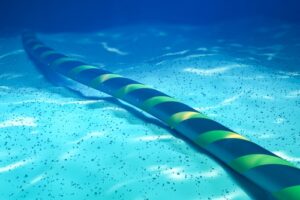
U.S. Sen. John Curtis (R-UT) on July 9 proposed a bipartisan bill that would help enhance the security, resilience, and protection of undersea communication cables for Taiwan, a vital democratic partner for the United States in the Indo-Pacific region.
“We can’t stand idle as China ramps up its tactics to isolate Taiwan, including by sabotaging its vital undersea cables,” Sen. Curtis said Wednesday.
The cables — critical for global communication and commerce — have been a primary target of the People’s Republic of China (PRC) for undercover sabotage to undermine Taiwan’s security and sovereignty, according to a bill summary provided by Sen. Curtis’ staff.
For Taiwan, these cables are an essential lifeline that China has been sabotaging using “gray zone” tactics, which fall below the threshold of traditional warfare, allowing authoritarian regimes to exert pressure and destabilize democracies while avoiding direct military confrontation, the summary says.
Toward countering such activities, Sen. Curtis sponsored the Taiwan Undersea Cable Resilience Initiative Act, S. 2222, with lead original cosponsor U.S. Sen. Jacky Rosen (D-NV), who serves with Sen. Curtis as a member of the U.S. Senate Foreign Relations Committee.
If enacted, S. 2222 would establish a comprehensive initiative led by the U.S. State Department, in partnership with the U.S. Department of Defense, the U.S. Department of Homeland Security, and the U.S. Coast Guard, to deploy real-time monitoring systems, develop rapid-response protocols, improve maritime surveillance, and enhance international cooperation to defend against sabotage.
“By improving systems monitoring and helping increase cable resiliency, our bipartisan legislation sends a clear message: the United States stands with Taiwan and our allies in defending shared infrastructure, sovereignty, and freedom,” said Sen. Curtis.
Additionally, S. 2222 would encourage hardening of Taiwan’s cable networks and call for public diplomacy to expose and counter Chinese “gray zone” operations, the summary says.
The bill also would authorize targeted sanctions against individuals and entities responsible for damaging undersea cables linked to Taiwan’s national security.
“The Chinese Communist Party’s ongoing efforts to target Taiwan’s undersea cable infrastructure don’t just threaten Taiwan’s national security, but connectivity and communication around the world,” said Sen. Rosen. “I will continue to push back on China’s growing aggression, and its attempts to undermine democracy.”
The bill is under consideration by the Senate Foreign Relations Committee.