



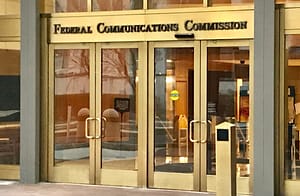
U.S. Rep. Jay Obernolte (R-CA) on March 17 sponsored legislation that would direct the Federal Communications Commission (FCC) to promulgate regulations aimed at improving its Lifeline program, which provides a monthly subsidy to help low-income Americans afford phone and broadband service.
The No Lifeline for the Dead Act, H.R. 7963, would strengthen oversight and accountability in the Lifeline program following a watchdog report uncovering widespread waste, fraud, and abuse tied largely to California’s enrollment system, according to the congressman.
“The Lifeline program plays an important role in helping Americans stay connected, but taxpayers deserve accountability,” Rep. Obernolte said. “This report shows that California’s failure to use federal verification systems allowed millions of dollars to go to ineligible recipients, including deceased individuals. That is unacceptable. This bill corrects that problem.”
The Lifeline program, which is funded through the Universal Service Fund, is supported by contributions from telecommunications providers and ultimately paid for by consumers.
To administer the program, the FCC relies on national verification tools to confirm eligibility and prevent duplicate enrollments, though some states have opted out of these federal systems and instead used their own eligibility and enrollment processes, according to a bill summary provided by Rep. Obernolte’s office.
While intended to provide flexibility, this structure reduces federal visibility and creates gaps in oversight, the summary says.
A January FCC Inspector General advisory found that between 2020 and 2025, Lifeline providers in opt-out states, including California, received nearly $5 million in subsidies for approximately 117,000 deceased people, along with more than 270,000 duplicate claims totaling about $5.5 million, states the summary.
If enacted, H.R. 7963 would require all states to use federal verification systems, bolster identity checks, and require re-verification of existing enrollees to ensure that only eligible individuals receive benefits.
The measure has been referred to the U.S. House Energy and Commerce Committee for consideration.